
Live Chat +91-9811561566

Appeals In Cheque Bounce Cases

  • Strategic legal solutions for appeals in cheque bounce cases aimed at modification, reversal, or settlement of judgments.
Chat on WhatsApp  +91-9811561566
Get A Free Consultation

If you are convicted, acquitted, or given an order on compensation that seems unfair in a cheque bounce case under Section 138 of the NI Act, the next legal step is usually to appeal. For many people who are accused, complainants, or businesses, an appeal isn't about fighting for their ego; it's about fixing mistakes, getting a less harsh punishment, or getting a more fair order from a higher court.

In real life, trial court decisions can sometimes miss important documents, get timelines wrong, or give people harsh sentences that don't fit their financial or personal situations. The law lets people appeal and change decisions about bounced Cheque in the Sessions Court and High Court, but only within certain time limits and for certain legal reasons. Finding specific mistakes in the judgment, making a clear plan for the appeal, and making sure your voice is heard at the appellate level are the most important things.

Cheque Bounce Lawyer helps people in Delhi NCR who work for a salary, own a small business, are professionals, are landlords, are lenders, or are company directors with filing or defending appeals in cheque bounce cases. We look at the complaint, the evidence, the cross-examination, the judgment, and the sentence order. Then we make a step-by-step appeal roadmap that includes everything from writing the appeal and asking for a suspension of sentence and bail to arguing interim applications and seeking final relief in the appellate court.

Section 138 of the NI Act lets people appeal in cases of bounced Cheque.

An appeal in a case of a bounced Cheque is a formal challenge to the trial court's decision or sentence. The party who is unhappy, usually the accused, complainant, or sometimes a victim seeking more money, asks a higher court to look over the record again and fix any legal or factual mistakes. If the reasons are strong enough, the appellate court can suspend the sentence, change the compensation, lower the fine, or even throw out the conviction or acquittal.

At Cheque Bounce Lawyer, we help you with every step of a Section 138 appeal in Delhi, including going through the judgment line by line, finding valid reasons, writing a detailed appeal memo, and filing motions for bail, suspension of sentence, or stay of proceedings when necessary. We want to help you file a realistic, well-written, and timely appeal that protects your freedom, finances, and reputation while also giving you a fair chance to fix what went wrong at the trial stage.

Chat on WhatsApp  +91-9811561566
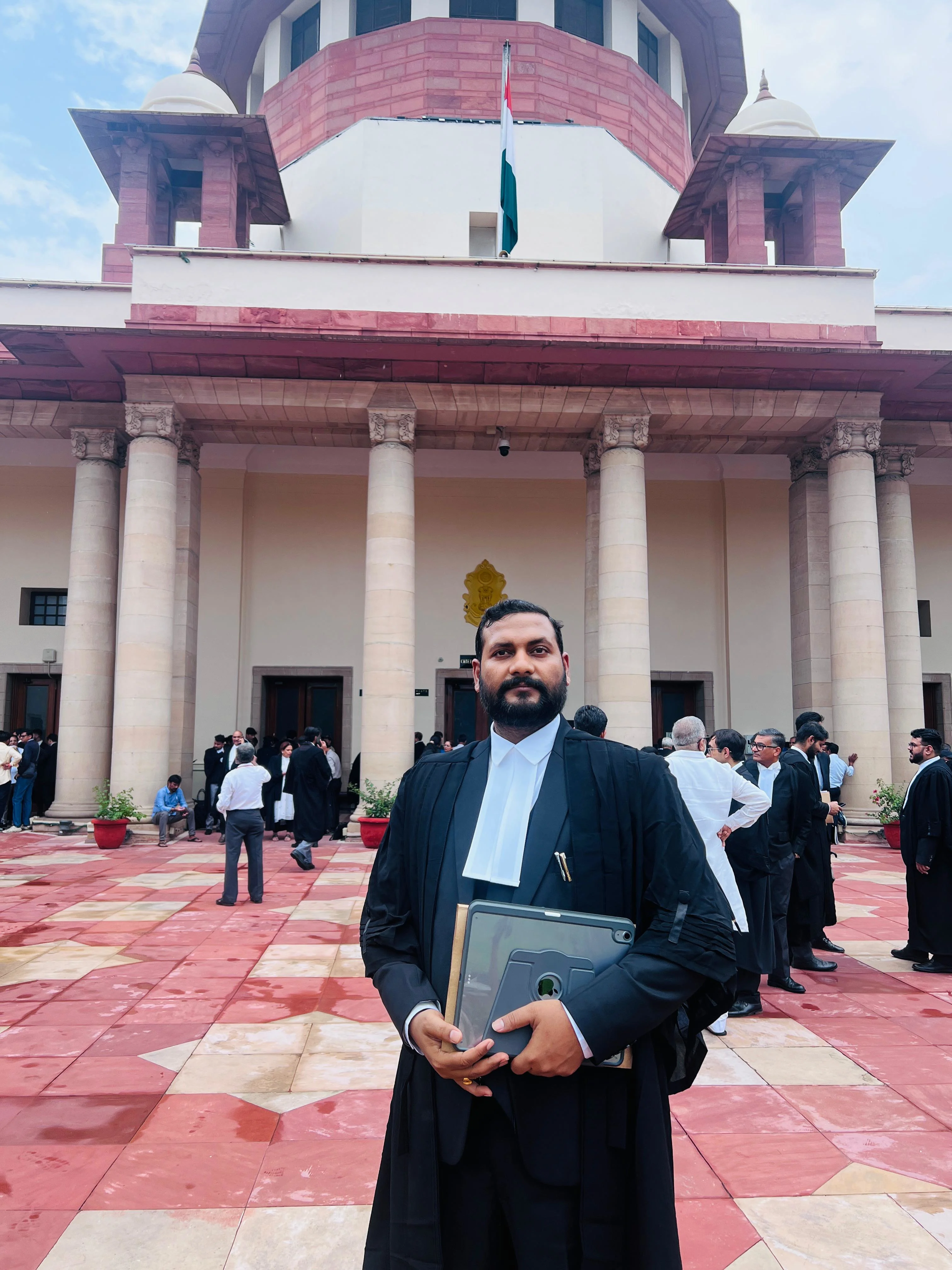
Appeals in Cheque Bounce Cases Lawyer in Delhi

What We Do to Help with Cheque Bounce Appeals

Cheque Bounce Lawyer helps you with every step of the appeal process, from looking over trial records and writing grounds of appeal to arguing for a suspension of sentence, bail, changes to orders, and final relief in Section 138 NI Act cases all over Delhi NCR.

What does it mean to appeal in a case where a cheque bounced?

An appeal in a case of a bounced Cheque is a legal request for a higher court to look at and change a judgment or order made by the trial court. Section 138 of the NI Act and criminal procedure say that appeals can be used to challenge a conviction, sentence, or compensation in certain situations. The appellate court can stop the sentence, look at the evidence again, and either uphold, change, or throw out the trial court's decision once an appeal has been filed and accepted.

As lawyers for cheque bounce appeals in Delhi, we explain what parts of the order can be challenged, how long you have to file, what documents you need, and what outcomes are likely. We also tell you how an appeal will affect your job, travel, and future money matters in real life.

What Orders Are Often Challenged in Cheque Bounce Appeals:

Most appeals in cases of bounced Cheque have one or more of the following:

  • A conviction order that says the person who was accused of dishonoring a Cheque is guilty.
  • A sentence order that requires jail time, a fine, or compensation that seems too harsh or unfair.
  • An acquittal order where the person who made the complaint thinks that important evidence was not taken into account.
  • Orders for compensation or interim payments that don't match the actual history of the transaction.
  • Mistakes in the process or the law, like ignoring limitations, misreading notices, or not taking important defenses into account.
  • Cases where the judgment didn't show how important the settlement efforts were.

How We Deal with the Appeal Stage of Your Case:

  • Making a clear timeline of events, notices, payments, and trial hearings in your case of a bounced Cheque .
  • Writing focused grounds of appeal or revision that point out legal and factual mistakes without repeating them too much.
  • Filing for bail and a suspension of sentence so that you are safe while the appeal is going on.
  • Representing you in front of the Sessions Court or High Court and clearly explaining your case.
  • Following up until you get certified copies of the appellate court orders and know how they will affect your record.

When Appeals Are Most Effective in Cases of Cheque Bounce

You don't have to appeal every bad order in a cheque bounce case, and you shouldn't just accept every judgment. A well-timed appeal works best when there are clear errors, unfair punishment, or important legal issues at stake. Knowing these patterns can help you figure out when it's worth your time and effort to go to a higher court.

Common Reasons to File Cheque Bounce Appeals:

  • Conviction orders where the Cheque was really issued as security or where part-payments weren't taken into account.
  • Cases where the sentence includes jail time even though the person has a good record of paying back debts or is in real financial trouble.
  • Judgments that don't take into account written communications, settlement offers, or important defense documents that are on file.
  • Acquittals where the person who filed the complaint thinks the court missed clear proof of guilt
  • Cases where the fine or compensation is much higher than the value of the transaction.
  • Cases that have to do with professional licenses, traveling abroad, high-level jobs, or a business's reputation where it's important to set the record straight.

Things We Think About Before Suggesting an Appeal:

  • The strength of the complainants' documents compared to your defense story and the evidence that has already been recorded.
  • The judgment had legal mistakes, like making wrong assumptions about notices, limitation, or liability.
  • The possible benefits of an appeal compared to the time, money, and stress it will cause you.
  • How the conviction or acquittal will affect your job, business, travel, and long-term finances.
  • The chance of settlement or compounding at the appellate stage to bring things to a close.

What You Can Do When You Appeal a Cheque Bounce Case

You still have important rights during the appeal, even if the trial court's decision was against you. You can't be forced to accept an unfair sentence, sign a one-sided agreement, or give up your right to challenge mistakes in the law. Knowing your rights gives you the confidence to go to the appellate court instead of being scared.

Right to Get Papers and Judgment for Your Case

You can ask for a copy of the judgment, the order on sentence, and the trial court record that is relevant to your appeal. You can't properly question what went wrong without these papers.

The right to ask for a suspension of sentence and bail

If you were found guilty of bouncing a Cheque and were sent to jail, you can ask the appellate court to stop the sentence and let you out on bail while your appeal is being heard.

The right to get legal advice from someone else

You have the right to talk to an independent lawyer before signing any statement or compromise related to an appeal. This keeps you from agreeing to terms that are unfair or hard to follow.

Right to a Reasoned Order from the Appellate Court

You have the right to expect that the appellate court will look at your reasons and make a decision that makes sense. This order will be the last thing you look at when it comes to your legal and financial matters in the future.

FAQs - Appeals in Cheque Bounce Cases under Section 138 NI Act

Most of the time, the date of the judgment or sentence order is the start of the appeal period. In a lot of cases of bounced Cheque, appeals have to be filed within a certain amount of time. If you are late, you have to file a formal request for condonation of delay. We help you understand the time limits that apply to your case and write delay-condonation requests with reasons if you have gone past the normal time limit.

In a lot of cases where someone is convicted of bouncing a Cheque , the appellate court can suspend the sentence and let the person out on bail while the appeal is heard. This is especially true if the person has ties to the community, work responsibilities, or strong reasons for appeal. We quickly file requests for suspension of sentence and bail so that you don't have to spend time in jail while your appeal is still going on in Delhi courts.

Yes. People who complain can ask for higher compensation, challenge acquittal orders, or ask for a longer sentence in some cases, but only if the law allows it. We help people who are unhappy with a trial court's decision in Section 138 cases figure out whether an appeal, revision, or other remedy is the best way to fix it.

Yes, a lot of disputes over bounced cheque are settled during or after an appeal. Courts often push for real settlements in which the person who filed the complaint gets a fair amount and the person who is accused agrees to pay on a set schedule. We help people write down legal settlements, file compounding applications, and get final orders that end both the trial and the appeal on full and final terms.

Yes. A lot of appeals in Delhi cheque bounce cases are from people who live outside of the city or even outside of India. We talk about strategy, write documents, and keep track of things over email, the phone, and video calls. We only plan for you to be in court for important hearings, like the initial appearance or statement recording. This way, you don't have to travel as much and the legal process stays fully compliant.
​