Live Chat +91-9811561566

Cheque Bounce Case Filing

  • Over 20 years of experience in filing and conducting cheque bounce cases under Section 138 NI Act, from complaint drafting to evidence, trial and settlement.
Chat on WhatsApp  +91-9811561566
Get A Free Consultation

When a Cheque bounces, the problem doesn't end with the bank return memo. It usually leads to a full Cheque bounce case under Section 138 of the Negotiable Instruments Act. If the matter is not handled properly from the beginning, you can lose valuable recovery time and your case may get rejected on technical grounds.

For proper cheque bounce case filing, you need a lawyer in Delhi who understands jurisdiction, limitation, drafting of the complaint, pre-summons evidence and how magistrate courts actually work. A correctly prepared Section 138 complaint can put strong pressure on the drawer to pay or settle on fair terms.

We at Cheque Bounce Lawyer only deal with filing and handling cheque bounce cases. Our team carefully looks over your cheque, bank memo, and transaction documents. Then, they write a Section 138 complaint that is legally sound, clear in facts, and fully backed up by evidence. This way, your case will be strong in Delhi courts from the start.

Cheque Bounce Case Filing & Section 138 Proceedings in Delhi

Filing a cheque bounce case is a specialised legal process. It is not enough that the cheque has bounced the complaint must clearly show that a legally enforceable debt exists, statutory timelines are followed and all mandatory documents are attached. One drafting mistake can give the accused an easy defence.

Our team at Cheque Bounce Lawyer assists you from the first consultation to final filing: calculating limitation, choosing the correct court, preparing the Section 138 complaint, affidavit and list of witnesses, and representing you in pre-summons and post-summons stages. We focus on practical, result-oriented cheque bounce case filing for individuals, small businesses and professionals in Delhi NCR.

Chat on WhatsApp  +91-9811561566
Cheque Bounce Case Filing Lawyer in Delhi

Filing a Cheque Bounce Case under Section 138 of the NI Act, 1881

In India, the main law that people use to file cases of bounced Cheques is Section 138 of the Negotiable Instruments Act, 1881. It makes it a crime to dishonor Cheques written for legally enforceable debts, as long as certain steps and time limits are strictly followed. A well-written complaint under Section 138 makes it clear that you won't accept not getting paid. Not following deadlines or technical requirements is a common reason why many cheque bounce cases fail, even though the claim is strong. As lawyers who file cheque bounce cases in Delhi, it's our job to make sure that all legal requirements are met and that your complaint is written in a way that is clear, convincing, and ready for court.

Important things to remember when filing a cheque bounce case:

To file a strong and lasting cheque bounce case under Section 138 NI Act, you usually need the following:

  • Legally enforceable liability: The Cheque must be for a debt or obligation that can be legally collected, like paying back a loan, an invoice, rent, a salary, professional fees, or a security deposit.
  • Presentation within validity: The bank must have received the Cheque within its validity period, which is usually three months from the date on the Cheque , unless the bank says otherwise.
  • Dishonour and bank memo: The bank must send back the Cheque unpaid with a note that says "insufficient funds," "exceeds arrangement," or something similar, along with a bank return memo.
  • Legal notice and 15 days: A demand notice was sent out within 30 days of getting the bank memo, and the drawer has not paid within 15 days of getting the notice.
  • Cause of action and time limit: The cause of action happens after the 15-day period ends, and the cheque bounce case must be filed within the time limit set by law.
  • The right court and jurisdiction: The complaint must be filed in the right magistrate court according to the rules for cheque bounce cases.
  • The complaint must be sent with the original Cheque , a bank memo, a copy of the notice, postal receipts, and proof of delivery.

How to file a cheque bounce case with us, step by step:

  • Case evaluation: We look over your cheque, bank memo, notice, and transaction documents to make sure that a Section 138 case can go forward.
  • Writing the complaint: We write a detailed complaint that explains the transaction, the dishonor, the notice, and the failure to pay, all backed up by the right legal reasons.
  • Affidavit and documents: We write your affidavit to support your complaint and put together all the annexures that Delhi courts will accept.
  • Filing in court: The case about the bounced Cheque is filed with the right magistrate and the right court fees and indexing.
  • Pre-summons evidence: We help you prepare your testimony before the summons so that the court is sure there is enough evidence to move forward with the case against the accused.

When People File Cheque Bounce Cases Most Often

Filing a cheque bounce case isn't just for big business disputes. Individuals, small businesses, landlords, professionals, and lenders all use it a lot to make sure they get paid on time. Knowing these common situations can help you figure out when to file a Section 138 complaint.

Common situations in which people file cheque bounce cases:

  • Business invoices and credit sales are when buyers or clients write Cheques for goods or services and then don't pay them when they are presented.
  • Property, rent, and security deposit: Checks that are post-dated for monthly rent, lease payments, brokerage fees, or refundable deposits that keep bouncing.
  • Salary, consulting, and professional fees: Checks for unpaid salary, consulting retainers, architect, CA, lawyer, or other professional bills.
  • Friendly loans and personal loans: Checks given to repay personal loans by friends, family, or people you know that get dishonored after repeated promises.
  • Loan, EMI, and finance repayment Cheques: EMI Cheques for vehicle loans, personal loans, business loans, or private finance that are not honored, which causes late payments and arguments.
  • NRI and POA transactions: Cheques given by or on behalf of NRIs for property payments, family settlements, or friendly loans that go through Indian accounts.
  • Multiple Cheques and part-payment plans: Cases where a series of installment Cheques bounce, making it impossible to avoid going to court.

Documents and timelines to have on hand for filing a case:

  • The original Cheque or a clear photocopy of it, along with the original bank return memo for dishonor.
  • Bills, loan agreements, rent agreements, ledger statements, emails, or WhatsApp chats that show the debt.
  • A copy of the demand notice, postal receipts, and a report on tracking or delivery.
  • KYC and proof of address for the complainant, as well as basic information about the accused.
  • Any previous communications about a settlement or records of partial payments that back up your claim.

If the Cheque bounces and the legal notice period ends without payment, you should not wait to file a Cheque bounce case. Filing your case on time in the right court keeps it within the time limit and stops the accused from making technical objections.

How we deal with your case of a bounced Cheque :

  • Limitation and jurisdiction Cheque : We figure out the last day you can file and the right court according to the law.
  • Drafting and vetting: We make a personalized complaint draft and send it to you to Cheque for accuracy before we file it.
  • Filing and follow-up: After you file, we keep an eye on your case and show up on time for all of your court dates. We also keep you updated on every important step in your cheque bounce case in Delhi.

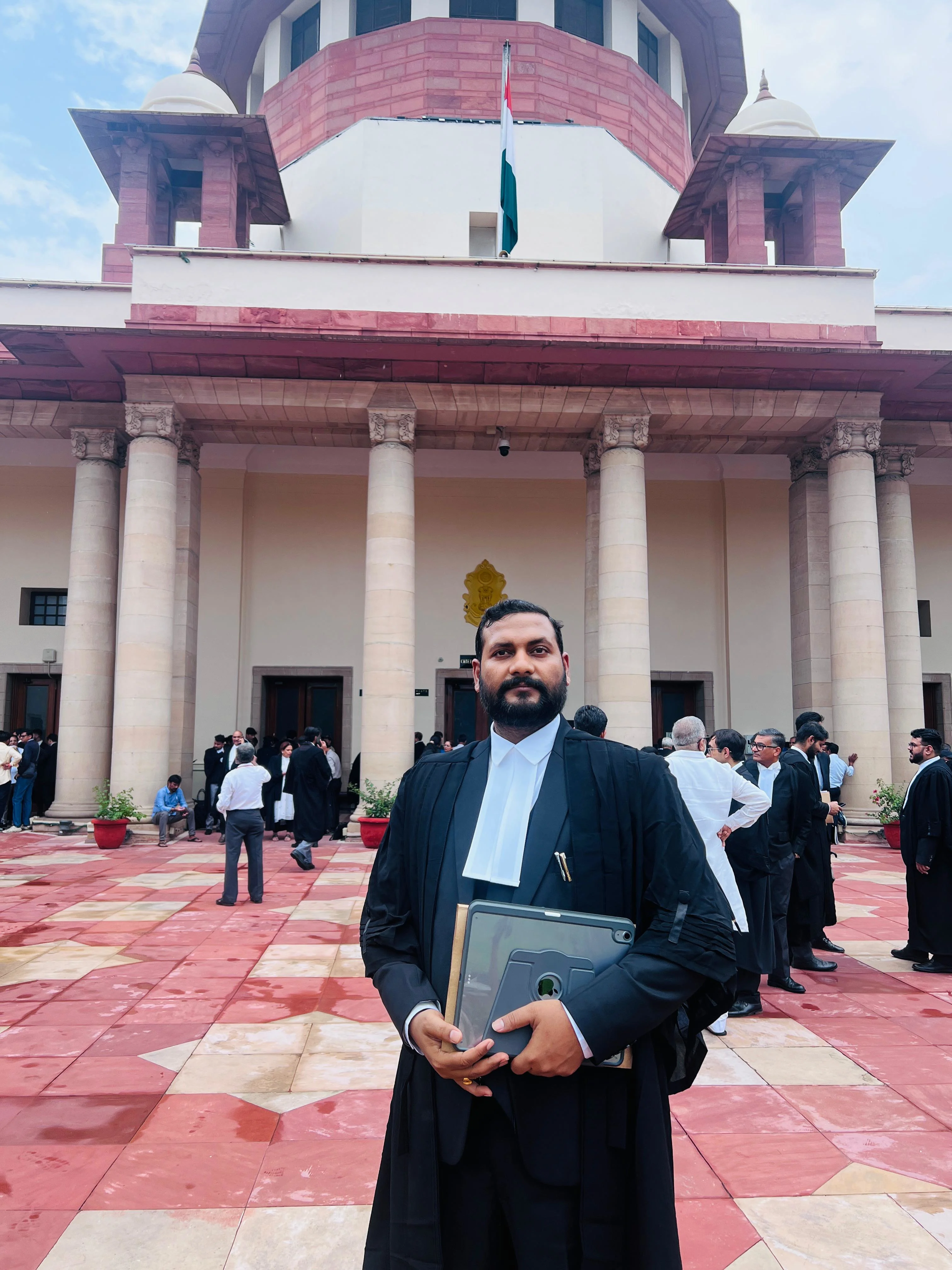
Your Rights When You File a Cheque Bounce Case and Go to Court

If you are the one filing a cheque bounce case or the one being accused of it, you have clear legal rights at every step of the Section 138 process. Knowing these rights makes it easier to file a case and go to trial for a bounced Cheque . It also helps you make smart choices.

Right to a Fair Hearing and Equal Treatment

Both the person who filed the complaint and the person who is being accused have the right to be heard, to show documents, and to give evidence. Before making a decision in a case about a bounced Cheque , the court has to look at both sides. Being a small business owner, employee, or individual borrower doesn't mean you can't get a fair chance.

Right Not to Be Pressured or Harassed Illegally

Even though a bounced Cheque case is a criminal case, it still needs to follow the law. Threats or harassment outside of court cannot force you to agree to a one-sided settlement. There is only one way to get your money back: through the law.

Right to Settle at Any Time

In cases of bounced Cheques, it is legal to settle and add interest. You can talk about and write down a legal compromise at different points in the case, as long as the court agrees.

You have the right to have a lawyer represent you if you bounce a Cheque .

In Delhi, you can choose any cheque bounce lawyer to represent you. A Section 138 expert knows how courts look at evidence, what the NI Act says about presumptions, and what mistakes to avoid when filing a case and presenting evidence

FAQS - Cheque Bounce Case Filing & Section 138 NI Act

The amount of the Cheque , the number of Cheques, and how complicated the transaction are all factors that affect how much we charge to file a Cheque bounce case. We keep our basic filing packages fair and open for people and small businesses. We give you a clear estimate before we start drafting or filing anything once you tell us about your case.

If the drawer doesn't pay within 15 days of getting your demand notice, you can file a case for a bounced Cheque . After this, the Section 138 complaint must be filed in court within a certain amount of time. You should always talk to a lawyer about filing a cheque bounce case right after the notice period ends so you don't miss the deadline.

Most of the time, you need the original Cheque , the bank's return memo, a copy of the demand notice, the postal receipts, and the tracking or delivery report. Also, transaction documents like invoices, loan agreements, rent agreements, account statements, and communication records are important for proving that someone is legally responsible. Before we write and file your cheque bounce case in Delhi, we look over these papers.

The amount of time it takes varies from court to court and depends on things like how many witnesses there are, how the accused acts, and how the summons is served. Some cases of bounced Cheques are settled within a few days of filing, while others go to trial. We file a strong, well-documented case so that the accused has a reason to settle quickly instead of dragging the case out for years.

Yes. If you get a bounced Cheque under Section 138 of the NI Act, you can settle with the court's permission. A lot of people choose to settle after filing, when they see that the case has been properly written and is moving along in court. We help clients safely record the terms of the settlement so that the complaint is only closed after the payments are made in a way that makes sense.
​