
Live Chat +91-9811561566

Section 138 Summons

  • Comprehensive legal support for Section 138 summons and court proceedings handled by experienced cheque bounce lawyers.
Chat on WhatsApp  +91-9811561566
Get A Free Consultation

When the magistrate issues a Section 138 summons, the dispute over a Bounced Cheque becomes serious. Until then, there are only papers and notices. You have to show up, ask for bail, and take part in the criminal case once the court sends you a summons. If you don't respond to the summons, you could get warrants, be forced to do things, and have legal problems for a long time.

Cheque Bounce Lawyer's main goal is to help people in Delhi NCR who have received a Section 138 summons in a cheque bounce case. We read the complaint, the Cheque, the notice, and the bank memo. Then we get you ready for your first appearance, your bail application, your requests for exemptions, and your long-term defense strategy. We want to lower your risk, help you avoid unnecessary warrants, and help you work toward either a strong defense or a reasonable settlement.

Section 138 Summons for Cheque Bounce Cases in Delhi

A Section 138 summons is the court's official order for you to show up as a defendant in a case of a Bounced Cheque. When a working professional or business owner sees their name in a criminal summons, they often panic. But the law gives you clear rights to bail, a defense, and a fair hearing. The most important thing is to get to court on time, with a lawyer who knows how cheque bounce courts work in Delhi.

After you get a summons, our team at Cheque Bounce Lawyer will help you with every step, from checking the charges to writing your first statement, applying for bail, looking for an exemption if possible, and planning a structured defense. We go to Delhi magistrate courts a lot for Section 138 summons cases. Our focus is on practical, protection-oriented representation that fits with your work, family, and business needs.

Chat on WhatsApp  +91-9811561566
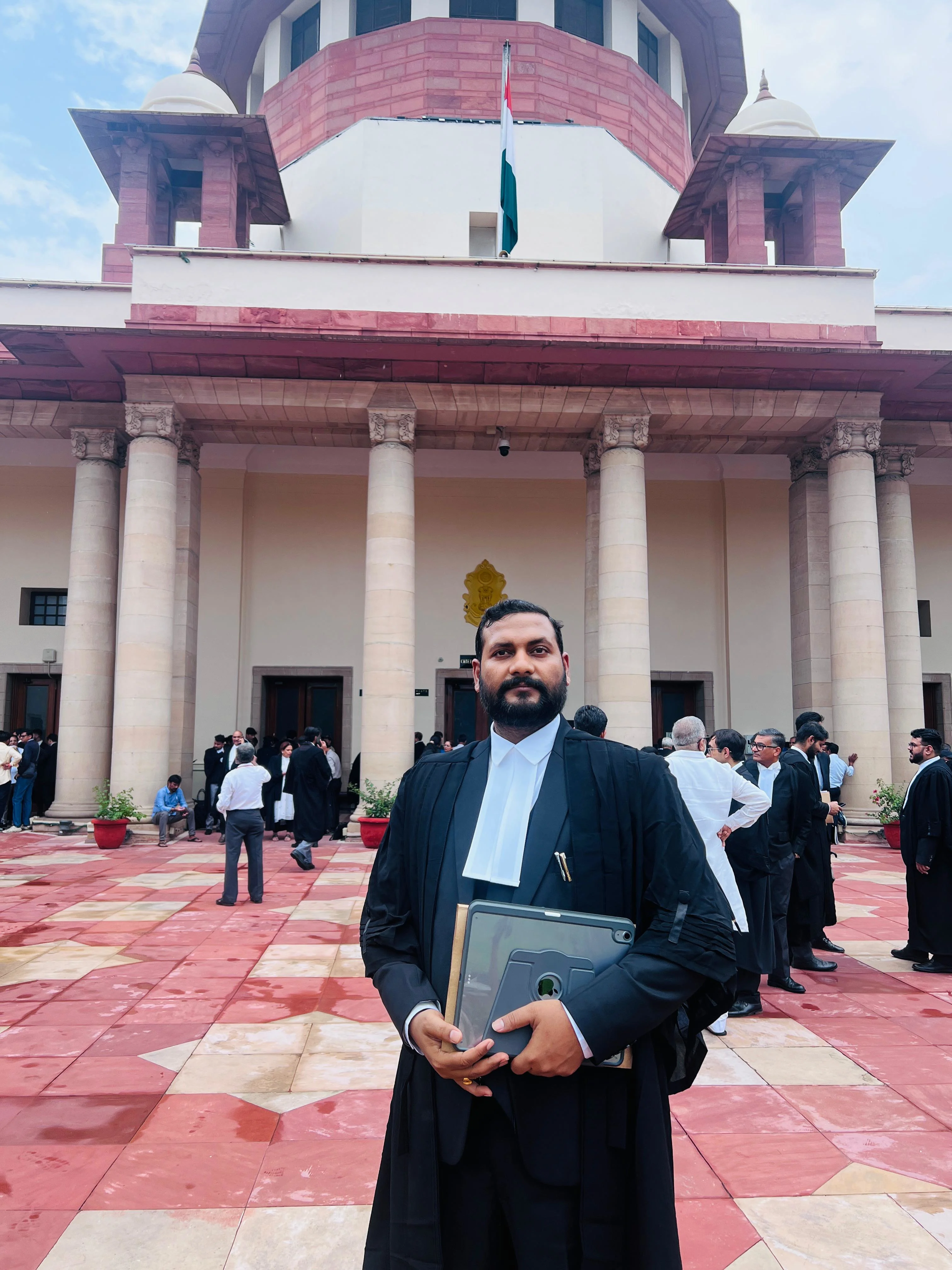
Section 138 Summons Lawyer in Delhi

What does a Section 138 summons mean in a case where a Cheque bounces?

If someone files a complaint about a Bounced Cheque and the magistrate is satisfied that there is a prima facie case, the court sends a Section 138 summons to the person named as the accused. This paper says that you have to go to court on a certain date and take part in the proceedings. This is not a conviction, but it is a serious step in the process that needs to be handled carefully to avoid warrants and conditions that aren't needed.

As lawyers who handle Section 138 summonses in Delhi, we make sure you know what the summons says, what you have to do on the first day, and what you can do to protect your freedom, reputation, and money.

Important things to know about a Section 138 Summons:

A Section 138 summons in a case of a Bounced Cheque usually includes the following:

  • The magistrate issues it after looking at the complaint about the Bounced Cheque and the papers that go with it.
  • It tells the accused to show up in person or through a lawyer at a certain date and time that is written in the summons.
  • Usually, process servers, police, speed post, or other accepted ways of serving it are used.
  • If you don't show up for court without a good reason, the court can issue bailable or non-bailable warrants to make sure you do.
  • You usually have to ask for bail and say that you want to take part in the trial when you first show up.
  • After this point, the case moves on to framing the notice, gathering evidence, cross-examination, and possibly a settlement or judgment.

How We Help You Handle the Section 138 Summons Stage:

  • On the first day, you should explain what the summons says and what the court wants from you.
  • Getting your bail application, surety papers, and exemption requests ready, if you need them.
  • Telling people what to say and what not to say in court during the first hearings.
  • Working with the court staff to make sure that your presence is properly noted and that the orders are recorded correctly.
  • Planning what to do next for defense or settlement after the summons stage goes smoothly.

Common Reasons for Issuing Section 138 Summons

Section 138 summons are used in a lot of different types of cheque bounce cases, from small personal loans to big business deals. Knowing about these situations helps you spot risk early and get legal help as soon as you find out that a complaint may have been made.

Some common situations that lead to a Section 138 summons are:

  • Checks given for monthly rent or long-overdue commercial lease payments.
  • Checks written after the due date for unpaid salaries, consulting fees, or professional fees.
  • Checks given for business supplies, payments to dealerships, service contracts, or unpaid bills.
  • Repayment Cheque for friendly loans or family loans that keep getting bounced.
  • Banks, NBFCs, and private lenders all bounced EMI Cheque for car, personal, or business loans.
  • Deposited security Cheque during disputes or negotiations and shown again without getting new permission.
  • In business disputes, partners or directors can sign Cheque on behalf of companies or firms.

Things We Look At After You Get a Summons

  • The summons should say what court, case number, and date of first appearance it is for.
  • A copy of the complaint, the Cheque, the bank return memo, and the legal notice that was filed against you.
  • Any talks about settling the case, partial payments, or written confirmations from either side.
  • Your address and work information to see if it's a good idea to apply for an exemption.
  • Timelines of the whole transaction to find any possible problems with the process or limitations.

Based on this review, we make a clear plan for your first few hearings so that you don't miss any important steps and your position is recorded correctly from the start.

How We Get You Ready for Court:

  • Giving you information about court etiquette, common questions, and how things usually go.
  • Making sure that all the paperwork needed for bail and representation is ready ahead of time.
  • Making sure that your long-term financial, business, and family goals are in line with your legal strategy.

Your Rights After Getting a Section 138 Summons

If you get a Section 138 summons, you still have options. If you are accused of bouncing a Cheque, there are important legal protections in place for you. Knowing these rights helps you stay calm, cooperate with the court and still protect your interests at every stage.

Right to Legal Representation

You have the right to choose a lawyer to represent you in all Section 138 summons proceedings. Your lawyer can often represent you and ask to be excused from being there in person when the law allows it.

The right to bail on fair terms

Most of the time, people who bounce Cheque can get bail. Courts in Delhi generally grant bail on reasonable conditions if you cooperate and appear when called. You are not supposed to be jailed simply because a complaint has been filed.

The right to fight or settle

Once you get a Section 138 summons, you can either fight the case all the way or ask the court for permission to settle and compound. Your long-term goals, the documents, and the amounts involved will all play a role in your decision.

The right to a fair and quick process

The court has to hear both sides and can't make a final decision without following the rules. You can also ask that unnecessary delays be avoided so that the case doesn't drag on for years without making any progress.

FAQs - Section 138 Summons in Cheque Bounce Matters

Don't ignore the summons or put it off. First, carefully write down the name of the court and the date of the hearing. Then, get in touch with a Delhi cheque bounce lawyer, give them the summons, complaint copy, and other papers, and get ready for your first court appearance and bail. Getting to court on time with a clear plan usually keeps warrants from being issued and sets a good tone for the rest of the case.

You usually have to go to the first dates for bail and for recording certain statements. After that, the court may let your lawyer represent you and let you skip routine dates. We let you know ahead of time which hearings you have to go to and file exemption applications when the law and facts support it.

If you don't show up even after being served with a summons, the court can issue bailable or non-bailable warrants to make sure you do. This can cause unnecessary stress, visits from the police, and extra conditions at the time of bail. If you've already missed a date, we move quickly to recall the warrant, explain why you weren't there, and make sure you show up on time.

Yes. You can add to and settle cheque bounce cases at different times, such as after a summons and bail. Before the magistrate can properly deal with the complaint, it usually needs to be recorded in a settlement. We help you come up with realistic terms, write compromise applications, and make sure that the final order shows that the case is completely closed.

You still have to show up for the summons even if the case is filed in Delhi and you live in another city or country. We help you plan your first visit for bail and your first appearance. After that, we try to get exemptions and permissions so that you don't have to travel as much as possible. Many people who are accused of a crime outside of their home country can handle their Section 138 summons cases with few personal visits if they have good representation and file their applications on time.
​