
Live Chat +91-9811561566

Settlement Cheque Bounce Cases

  • Strategic legal assistance for settlement of cheque bounce cases ensuring lawful resolution and closure under Section 138.
Chat on WhatsApp  +91-9811561566
Get A Free Consultation

Most people who are accused of bouncing a Cheque and those who complain about it want the same thing when the case goes to court under Section 138 of the NI Act: a clean, written settlement that ends the case without years of stress, repeated dates, and uncertainty. Settling a cheque bounce case is not a sign of weakness; it is a legal and accepted way to settle real money problems through structured payments, compromise terms, and a court-recorded compounding order.

In real life, Cheque bounce for a lot of reasons, like clients not paying on time, cash flow problems, a business downturn, health problems in the family, or a partnership ending. The law says that a cheque bounce case can be settled and compounded at almost any point, from before the summons to the appeal, if both sides agree. The most important things are to agree on reasonable numbers and deadlines, protect yourself from future misuse, and make sure everything is properly recorded before the magistrate.

Cheque Bounce Lawyer helps salaried workers, small businesses, landlords, consultants, traders, and company directors in Delhi NCR who want to settle their cheque bounce cases on reasonable terms. We look over the complaint, ledger, and communication, and then we make a step-by-step plan for how to settle the case. This includes making the first offer, negotiating, writing down the terms of the compromise, recording statements in court, and making sure the case is officially closed.

Settlement in Cheque Bounce Cases under Section 138 of the NI Act

A cheque bounce settlement is a written agreement between the person who filed the complaint and the person who is accused to settle the case without going to trial. When the court accepts the compromise and issues a compounding order, the criminal case based on that Cheque is over. If the terms are reasonable and clearly written down, this helps both sides protect their reputation, save time and money, and lower their stress.

At Cheque Bounce Lawyer, we help you through every step of settling a cheque bounce case in Delhi. This includes figuring out how much you can realistically pay, giving you advice on how to negotiate, writing settlement and compounding applications, and going to court to make sure that the final order is clear about full and final closure. We want a settlement that works in real life, not just on paper, and that protects people.

Chat on WhatsApp  +91-9811561566
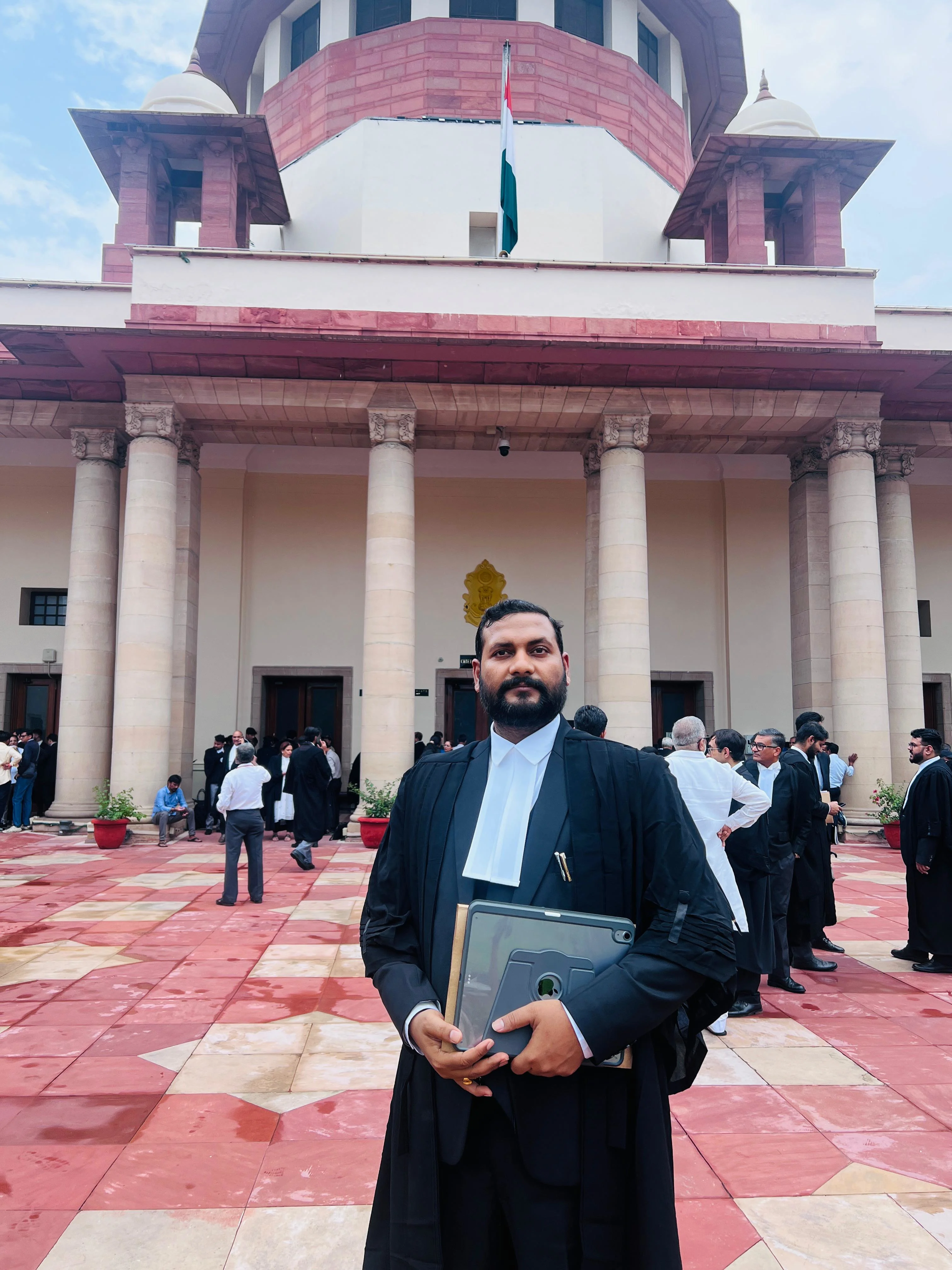
Settlement Cheque Bounce Cases Lawyer in Delhi

How We Help with Settlements in Cases of Cheque Bounce

Cheque Bounce Lawyer helps you through the whole process of settling, from looking over your case file and making your first offer to getting a court approved compromise and compounding under Section 138 NI Act in Delhi NCR.

What does Settlement mean in a case of a Bounced Cheque?

In a cheque bounce case, settlement means that both parties agree on how the unpaid amount will be paid and ask the court to end the case. According to Section 138 of the NI Act, the law sees this as compounding the crime. Once compounding is allowed, the accused is no longer responsible for that Cheque in the eyes of the law, and the same complaint cannot be tried again.

As Delhi-based cheque bounce settlement lawyers, we make sure you know what you're agreeing to, what will happen if there is a delay, and how the final court order will keep you from having to pay the same cheque again.

Important Parts of Cheque Bounce Settlements:

Most cases of cheque bouncing that are settled involve:

  • A written agreement that includes the total amount, the installments, the due dates, and the method of payment.
  • Clear acknowledgment of payments that have already been made and agreement to waive any extra or disputed charges.
  • A schedule for filing joint applications with the court to record the settlement and ask for compounding.
  • Statements from both the complainant and the accused in front of the magistrate saying that the issue has been settled.
  • A final order that ends the case, usually saying that the complaint is settled or compounded.
  • Clauses that explain what will happen if there is a small delay or default, so that both parties know what to do next.

How We Deal with the Settlement Stage in Your Case:

  • Making a clear calculation of the principal, interest, past payments, and the amount of the proposed settlement.
  • Writing terms for a compromise that are fair to you and the person who complained.
  • Filing the right papers with the right court for compounding and recording of settlement.
  • Helping you with your court statement so that it matches the written terms and doesn't cause any confusion.
  • Following up until you get certified copies of orders that show the case of the Bounced Cheque is closed.

When Settlement Works Best in Cheque Bounce Cases

Not every case of a Bounced Cheque deserves a full trial. A practical settlement is often better than years of fighting in court for everyday problems. If you understand these patterns, you can better decide when it's better to settle the case on fair terms than to keep fighting.

Common Situations for Settling Cheque Bounce Cases:

  • Checks for salaries, consulting fees, or professional fees where both sides want to keep things private and end things quickly.
  • Checks for rent and security deposits that are due when the lease ends and only the financial adjustment is left to be made.
  • Vendor and supplier Cheque for people who want to keep doing business after paying off old debts.
  • Loans between friends or family members that are friendly and don't hurt family ties.
  • Small and medium-sized business deals where the cost of going to court could be more than the amount in question.
  • Cases where the person who is being accused admits they are guilty but needs time to pay in reasonable installments.

What We Look at Before Suggesting a Settlement:

  • How strong the complainant's documents are compared to your defense story and the evidence you have.
  • The total amount of money you could lose if you lose the case, including any fines and damages.
  • What you make now and what you expect to make in the future, as well as how much you can realistically commit to each month.
  • How a long trial can affect your job, travel, business reputation, and mental health.
  • There may be other ways to get money back, like parallel civil suits, even after a criminal trial.

How We Get You Ready for Settlement Talks:

  • Giving you advice on what to say and what not to say when you talk directly to the complainant.
  • Helping you put aside feelings and blame and pay attention to numbers, dates, and written terms.
  • Making sure that any payment or part-payment is properly recorded and linked to the settlement record.

Your Rights When You Settle a Cheque Bounce Case

You still have rights even if you feel like you have to settle a Cheque bounce case. You can't be made to sign blank papers, agree to terms that are impossible, or take responsibility for more than what is due. If you know where you stand legally, you can negotiate a fair deal instead of giving in to fear or harassment.

Right to Know the Exact Amounts Owed

Before you agree to any settlement amount, you have the right to see a clear breakdown of the principal, interest, penalties, and costs. No one can make you take a lump sum without an explanation.

Right to Reasonable Deadlines

You can work out payment plans and due dates that fit your real income and cash flow. Settlement should be realistic, not a trap that makes you default right away and adds more stress.

Right to Get Legal Help in Negotiation

Before you sign any settlement or compounding document, you have the right to get legal advice. This helps you stay away from clauses that could be used against you in an unfair way later.

The right to a clear court order to close

Once the settlement is honored, you have the right to a clear order that shows whether the case of the Bounced Cheque is still open or closed. This keeps you from getting the same complaints about the same Cheque over and over again.

FAQs - Settlement and Compounding in Cheque Bounce Cases

Yes, most of the time. You can settle and add to Section 138 NI Act cases at many points, including before the summons, after the summons, during evidence, and even at the appeal level. Settling things earlier usually means lower costs and a quicker end, but courts will accept real compromises even in old cases if both sides agree.

Banks and NBFCs report how people pay back their loans separately from court cases. A properly closed settlement with no dues or full and final confirmation usually looks better than an account that has been open for a long time and is not always up to date. We help you not only end the court case, but also get new loan closure letters and corrected statements so that your credit report shows that you have resolved the issue and are no longer in default.

Sometimes not. Many settlements are made for a set amount, which may be less than the full claim, especially if the interest and penalties are high or there is a real disagreement over what is owed. The exact percentage depends on the documents, how strong the complainant's case is, and how willing they are to negotiate. We help you come up with a reasonable range and present it in a way that makes the other side see the value in accepting it.

The safest way is to connect the withdrawal or compounding of the Cheque bounce case to the completion of payments, or to write down clear consequences for default in the compromise deed and court order. The law says that different things can happen if someone defaults. We write terms that keep you safe from one-sided risk and tell you what to do next if the complainant or accused doesn't follow them.

Yes. A lot of cases of Bounced Cheque in Delhi that are based on settlements involve people who live outside of India or are NRIs. Most of our conversations, drafts, and filings are done over email and video calls. We only plan for you to be in court in person when it is absolutely necessary to record statements or finish up paperwork. This limits your travel while still making sure the legal process is completed correctly.
​